A fall can happen in an instant. A loose rug. A dark hallway. Feeling dizzy after standing up. Losing your balance while stepping out of the shower. For older adults, a fall can have consequences that extend far beyond a bruise or sore knee. It can affect confidence, mobility, independence and the ability to continue doing the things you love.
But there's an important message every older adult and family should know: Falls are not simply a normal part of getting older. Many falls can be prevented, and small changes can make a meaningful difference.
In recognition of Falls Prevention Awareness Week, we're encouraging older adults and their families to take a fresh look at fall prevention as a way to help maintain strength, confidence and independence.

Why Fall Prevention Matters
Sometimes the greatest impact of a fall isn't the fall itself. After experiencing a fall — or even a close call — an older adult may become afraid of falling again. That fear can lead someone to move less, avoid activities or stop doing things they once enjoyed. But staying active is an important part of maintaining strength and balance.
That's why fall prevention isn't about telling someone to sit down and be careful. It's about creating an environment and daily habits that allow them to keep moving safely and confidently.
1. Build Strength and Balance
Strong muscles help support balance and mobility.
Depending on an individual's abilities, activities might include:
Walking
Gentle strength exercises
Chair exercises
Tai chi
Balance exercises
Physical therapy when recommended
If you or a loved one has experienced changes in balance, walking, or strength, talk with a healthcare provider about which activities are appropriate.
2. Take a Fresh Look at the Home

We become so familiar with our homes that we may stop noticing potential hazards. Walk through the home with fresh eyes.
Look for:
Loose rugs
Electrical cords across walkways
Clutter on floors
Poor lighting
Furniture blocking walking paths
Slippery bathroom surfaces
Stairs without secure handrails
Small changes — like improving lighting or clearing a walkway — can make navigating the home easier and safer.
3. Pay Special Attention to the Bathroom
Bathrooms deserve extra attention because water and slippery surfaces can create hazards.
Consider:
Grab bars near the toilet and shower
Non-slip surfaces in the tub or shower
Good lighting
Keeping commonly used items within easy reach
A shower chair when appropriate
A healthcare or rehabilitation professional can help families determine which safety equipment may be appropriate for an individual's needs.
4. Check Medications
Some medications — or combinations of medications — may cause dizziness, sleepiness or other side effects that could affect balance. Ask a physician or pharmacist to periodically review all medications, including prescriptions and over-the-counter products. Never stop or change a medication without talking with the appropriate healthcare professional.
5. Don't Forget Vision

Seeing clearly plays an important role in navigating our surroundings safely. Regular eye exams can help identify changes in vision and ensure eyeglass prescriptions remain current. At home, good lighting is equally important — especially in hallways, bedrooms, bathrooms, and stairways. Nightlights can be particularly helpful along the path from the bedroom to the bathroom.
6. Choose Supportive Footwear
Those comfortable old slippers may feel great, but they may not provide the support or traction needed for safe walking.
Look for shoes that:
Fit properly
Have supportive soles
Provide good traction
Stay securely on the foot
Be cautious with slippery socks, loose-fitting slippers, or shoes that are difficult to walk in safely.
7. Speak Up About Changes
Sometimes older adults don't mention a fall because they don't want their family to worry. Others may be embarrassed or afraid that admitting they've fallen will lead to losing their independence. But talking about a fall doesn't automatically mean giving something up. It may help identify something that can be addressed.
Tell your healthcare provider if you:
Have fallen
Have nearly fallen
Feel unsteady when walking
Experience dizziness
Have difficulty getting up from a chair
Have become afraid of falling
The earlier concerns are addressed, the more opportunities there may be to help.
A Physical Therapist's Perspective Is Part of Our Story
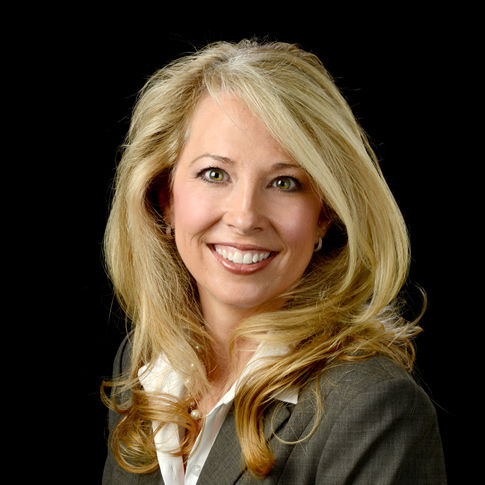
Fall prevention has a special connection to Mustang Creek Estates. Our owner, Renee Ramsey, began her career as a physical therapist, giving her firsthand experience with the importance of mobility, strength, safety and helping people maintain as much independence as possible. That perspective has remained meaningful throughout the Mustang Creek story.
We believe supporting an older adult shouldn't mean taking away everything they can still do for themselves. Instead, the right environment and the right amount of assistance can help residents continue participating in daily life with greater confidence and support.
Safety and Independence Can Go Together
Sometimes families think about safety and independence as opposites. They're not. Adding a grab bar doesn't take away independence. Using a walker when recommended doesn't mean giving up. Asking for help with something that has become difficult isn't failure. Sometimes the right support is exactly what allows someone to remain more independent.
At Mustang Creek Estates, our residential-style homes and personalized care allow us to support each resident according to their individual needs while encouraging them to continue doing the things they're safely able to do.
Take One Step This Week
You don't have to completely redesign a home to start reducing fall risks. Start with one room. Pick up the loose rug. Add the nightlight. Schedule the eye appointment. Ask the pharmacist about medications. Talk to your doctor about changes in balance. Begin an appropriate strength or balance activity.
Download our Fall Prevention Home Safety Checklist (PDF) and walk through your home — or the home of someone you love — to find a few changes you can make this week.
Small steps can add up. Because fall prevention isn't about living cautiously. It's about helping older adults continue living confidently.
Stay Steady. Stay Strong. Stay Independent.
September 23, 2026